Pizza Place Cheyenne Favorites You Need to Try
Cheyenne does not approach pizza the way larger food cities do, and that is part of the appeal. The best meals here often feel grounded, generous, and a little less interested in chasing trends for their own sake. When you sit down at a strong pizza place in Cheyenne, you tend to notice a few things right away: crust matters, toppings are not an afterthought, and portions usually lean hearty enough to satisfy a hungry table.
That local appetite shapes what rises to the top of the menu. Favorites in Cheyenne are not always the most photogenic pies or the ones with the longest ingredient list. More often, they are the pizzas people reorder after work, the combinations families agree on without debate, and the dependable starters that disappear before the server comes back to check on the table. If you are trying to decide what deserves your attention at a pizza place Cheyenne diners genuinely enjoy, it helps to know what tends to hold up beyond the first bite.
This guide focuses on the kinds of favorites worth seeking out, why they work, and how to order with better judgment. Pizza is simple on paper, but anyone who has spent time around restaurant kitchens knows that small details separate a forgettable pie from one people talk about all week.
What makes a favorite in Cheyenne
Regional food scenes always reveal themselves through preference. In Cheyenne, pizza favorites often skew practical, filling, and balanced. That does not mean boring. It means menus that respect contrast: crisp crust against rich cheese, savory meat against bright vegetables, heat tempered by sweetness, and generous portions that still eat cleanly.
The climate and pace of life matter more than outsiders realize. In a place where cold evenings are common and people often arrive hungry, comfort carries real weight. Thin, delicate pies have their place, but so do sturdy crusts that can hold toppings without collapsing. A good local favorite usually feels satisfying rather than fussy.
Another thing stands out in many well-liked orders: they are built to share. A house special loaded with sausage, mushrooms, onions, and peppers makes sense for a table. So does a half-and-half option that lets one side stay classic while the other goes bolder. The most beloved menu items tend to respect how people actually eat together.
Start with the classics, because they reveal the kitchen
There is a reason experienced diners often begin with a cheese or pepperoni pizza when trying a new place. Simple pies expose everything. You cannot hide a weak crust, flat sauce, or low-quality mozzarella under a mountain of toppings.
A proper cheese pizza should taste like intention, not compromise. The crust needs some structure at the base, even if the center bends slightly. The sauce should bring acidity and herbs without turning sweet or pasty. The cheese should melt evenly and brown a little at the edges, giving you those toasted milk notes that make a plain slice better than it has any right to be.
Pepperoni, meanwhile, tests balance. If the slices curl and crisp, you get texture and concentrated spice. If the kitchen uses too much, the pie turns greasy and one-dimensional. When done well, pepperoni still allows the crust and sauce to speak. At a strong pizza place Cheyenne locals return to, a classic pepperoni pie often tells you more than the most elaborate specialty pizza on the menu.
The practical advantage is obvious. If a place nails the basics, the rest of the menu becomes much more promising. If the basic pies struggle, no amount of inventive topping combinations will fully save the experience.
The meat-heavy pies that fit Cheyenne best
Cheyenne diners tend to appreciate pizza with substance. That is why meat-forward pies often become house favorites. Sausage, pepperoni, bacon, ham, beef, and sometimes even spicy Italian blends show up often, but the best versions are not simply piled high. They are composed.
Sausage deserves special attention. Good sausage on pizza should be fennel-forward or at least clearly seasoned, browned enough to deepen flavor, and distributed in pieces that give you meat in every bite without overwhelming the slice. Bacon can be excellent, but it works best as an accent rather than the entire identity of the pie. Ham contributes salt and tenderness, especially when paired with pineapple or jalapeno, though that combination remains a litmus test for the table.
A strong house special often succeeds because it uses vegetables to keep the meats in check. Onions cut richness. Bell peppers add sweetness and moisture. Mushrooms absorb rendered fat and carry savory depth into the crust. Even black olives, divisive as they are, can add enough salinity to sharpen the whole slice.
When you see a menu item that reads like a rancher’s reward after a long day, it can be tempting to assume bigger means better. In practice, the smartest meat-heavy pies show restraint. Three well-chosen meats usually outperform five random ones. Too many proteins flatten the flavor and leave the pie tasting uniformly salty. The favorites people reorder are the ones that still let each ingredient show up.
Why green chile and heat work so well here
One of the more interesting things about pizza in this part of the country is how comfortably Southwestern flavors can fit into the format. Green chile, jalapenos, spicy sausage, roasted peppers, and chipotle-adjacent heat all make sense in Cheyenne. They suit the climate, the local palate, and the kind of robust pizza many people prefer.
Green chile in particular can be outstanding, but it has to be handled carefully. The best versions offer gentle heat and a roasted, slightly earthy flavor that blends with cheese rather than sitting on top like a garnish. If the chile is too wet, it can soften the crust. If it is too sparse, the concept never lands. When a kitchen gets the ratio right, it adds complexity that standard toppings simply do not.
Heat also works well with richer pies. Jalapenos can slice through sausage and pepperoni. Crushed red pepper can wake up a creamy white-sauce pizza. Hot honey, where available, adds a sweet-spicy contrast that flatters salty meats and caramelized crust edges. That said, heat should build rather than punish. Pizza is a communal dish, and the favorites with staying power are rarely the ones that dare people to finish a slice.
White pies, garlic-heavy options, and the case for skipping red sauce
Not every memorable pizza depends on tomato sauce. Some of the most satisfying orders at a pizza place Cheyenne guests talk about later are white pies, especially when the weather turns cold and people want something richer.
A good white pizza lives and dies by restraint. Garlic should smell warm and fragrant, not raw or harsh. Ricotta should add creaminess without making the center watery. Mozzarella should still provide stretch and browning. If spinach enters the mix, it needs to be cooked down enough to avoid releasing too much water into the bake. Chicken can work, though it must be seasoned properly or it will disappear into the dairy.
White pies tend to reveal whether a kitchen understands texture. Without red sauce’s acidity, every element has to pull its weight. You need some chew in the crust, a little blistering on top, and ideally a finishing touch such as cracked pepper, roasted garlic, or a modest sprinkle of herbs. When pizza place cheyenne handled well, a white pie can feel more indulgent than a meat-loaded red pie while still eating lighter than expected.
This is also where mushroom lovers often find their best option. Mushrooms, garlic, and a blend of cheeses create an earthy, rounded slice that suits cool evenings beautifully. It is a combination that sounds quiet on the menu but often overdelivers.
The sleeper hit is often the appetizer
Pizza gets top billing, but some places earn loyalty through starters that set the tone. If you have spent enough time eating around family restaurants and neighborhood pizzerias, you learn to pay close attention to what hits the table before the pie arrives.
Garlic knots are an obvious example. Done right, they are soft in the center, lightly crisp at the edges, and coated in enough butter, garlic, and herbs to feel indulgent without turning heavy. The difference between mediocre and excellent knots usually comes down to dough quality. If they are pizza place cheyenne made from the same dough as the pizza and baked with care, you can tell.
Cheese bread is another benchmark. Great versions do not drown under a blanket of unmelted cheese. They have structure, clean slices, and enough seasoning to stand on their own even before dipping sauce enters the picture. Wings matter too, especially at places that understand pizza night often overlaps with game night. Crisp skin, balanced sauce, and proper seasoning can make wings more than an afterthought.
If you are trying to judge a restaurant quickly, these details help. A kitchen that respects its appetizers usually respects the rest of the menu.
A few favorites worth seeking out
When you are scanning a menu and want the best odds of landing on something satisfying, a handful of combinations repeatedly prove their value.
- A classic pepperoni with well-browned edges and a crisp-bottom crust.
- A house special with sausage, mushrooms, onions, and peppers, especially for group dining.
- A green chile or jalapeno-forward pie that uses heat to support, not dominate.
- A garlic white pizza with mushrooms or spinach for a richer, colder-weather option.
- Cheese bread or garlic knots from a place known for its dough.
These are not fashionable picks. They are durable ones. They show whether the kitchen understands the fundamentals and whether its ingredient choices make practical sense once the pizza is actually baked.
Crust style matters more than people admit
A lot of menu descriptions focus on toppings, but crust is where preference turns personal. Cheyenne does not have one strict pizza style, which is good news for diners. You may find thin crust, hand-tossed, pan-style, and thicker house interpretations, sometimes all within the same town. The trick is knowing what each does best.
Thin crust works well when toppings stay relatively restrained. It rewards crispness, sharper sauces, and lighter cheese application. This is the style where pepperoni, sausage, and vegetable combinations can feel especially balanced, because every bite includes a bit of everything. It is a smart choice if you value texture and want a pizza that reheats cleanly the next day.
Hand-tossed or medium-thickness crust is the crowd-pleaser. It offers enough chew for substance, enough structure for heavier toppings, and enough softness to keep kids and classic-pizza loyalists happy. If you are ordering for a mixed group, this is usually the safest lane.
Thicker or pan-style crust can be excellent in colder months or for diners who want a more filling meal. The downside is that poor versions turn bready fast. A good thicker crust should still have a crisp exterior and a well-baked interior. Otherwise, the toppings slide and the whole slice eats like a compromise.
Experienced diners often make one mistake here. They choose crust style based on habit rather than topping load. A thin crust loaded with too many wet toppings can sag. A pan pizza topped too lightly can taste like bread with garnish. Matching the crust to the topping plan is one of the easiest ways to improve your order.
How to order for the table without getting it wrong
Group orders sound simple until everyone starts negotiating. Some want meat, some want vegetables, one person hates olives, someone else wants extra heat, and one child insists on plain cheese. The best approach is not to chase universal agreement on one giant pie. It is to balance familiarity with one slightly adventurous choice.
Here is the strategy that works most often:
- Order one undeniably classic pizza for the cautious eaters.
- Add one house specialty that reflects what the restaurant seems to do best.
- Choose appetizers based on the dough, because they double as a quality test.
- Keep heat on only one pie unless the whole table explicitly wants spice.
- If leftovers matter, avoid overloaded combinations that steam the crust overnight.
This kind of order respects both the kitchen and the table. It also gives you a fair read on the restaurant. A classic pie checks technique, a specialty pie checks judgment, and the appetizer checks whether the dough deserves your trust.
The details that separate good from memorable
People often remember the obvious things first: plenty of cheese, lots of toppings, a large portion. Yet the meals that become true favorites usually owe their success to smaller details.
Sauce placement is one. Too little, and the pizza tastes dry. Too much, and the center turns heavy. Cheese coverage matters in the same way. Experienced pizza makers understand that you want enough to bind the toppings and create richness, but not so much that every slice feels identical from edge to center.
Bake consistency matters just as much. One underbaked pizza can make a promising menu feel disappointing. The crust should not pale at the rim or go limp under the toppings. There should be some color underneath, some definition along the edge, and a clear difference between melted and finished cheese.
Then there is timing. Pizza suffers quickly if it sits too long before reaching the table. The best places move with rhythm. Appetizers arrive hot. Pies come out when they are ready, not after ten extra minutes under a heat lamp. If you have eaten enough restaurant pizza, you can tell when the handoff from oven to table is tight. The slice stays lively. The crust still crackles a little. The aroma hits before the plate fully lands.
What to drink with these favorites
This part gets less attention than it should. Pairing matters, especially with richer or spicier pies. A classic pepperoni or sausage pizza works beautifully with a crisp lager or pale ale, because carbonation and bitterness clear the palate. A garlic-heavy white pie tends to pair better with sparkling water, dry cider, or a lighter white wine if the setting suits it. Spicy jalapeno or green chile pizzas benefit from something cold and simple rather than overly sweet.
Sweet drinks can fight the pie, especially when the pizza already carries caramelized onions, tomato sweetness, or hot honey. They flatten the contrast. On the other hand, a tart soda or unsweetened iced tea can help keep a heavy meal from feeling sluggish halfway through.
These are not hard rules, but they matter if you want the pizza to stay the main event.
Leftovers are part of the value equation
A favorite pizza is not just one that tastes great fresh. It is one that holds up the next day. This is where crust structure and topping discipline prove their worth again. A well-baked pizza reheats with integrity. The cheese resets instead of turning rubbery, and the crust regains crispness in an oven or skillet. A pie overloaded with watery vegetables, extra sauce, or excessive cheese tends to collapse into itself by morning.
For families and anyone ordering larger sizes, this matters. Leftover slices can become lunch, a quick dinner, or the best kind of unofficial midnight snack. In practical terms, some of the best-value orders at a pizza place Cheyenne residents favor are the ones that perform well twice, once at the table and once from the fridge.
Why local favorites tend to outlast trendier pies
Every few years, pizza menus across the country fill with novelty. There are burger-inspired pies, overloaded dessert pizzas, sauces that sound exciting but clash with the dough, and toppings chosen more for surprise than flavor. Some can be fun. Very few become standards.
The favorites that last in Cheyenne usually endure because they respect appetite, weather, and habit. They are built on dough that can stand up to a real meal. They use toppings people genuinely want to finish, not just sample once. They make room for heat, richness, and familiarity without slipping into excess.
That staying power is worth noticing. When a house special, a pepperoni pie, a green chile pizza, or a basket of garlic knots keeps showing up on tables year after year, it is rarely an accident. It means the restaurant learned what its customers actually return for, then kept refining it.
If you are exploring a pizza place Cheyenne has to offer and want the strongest chance of leaving satisfied, trust those patterns. Start with the classics, pay attention to the dough, do not underestimate the value of a balanced meat pie, and give the heat-forward options a fair shot when they seem well considered. The best favorites are not always the loudest items on the menu. More often, they are the ones that understand exactly what pizza is supposed to do: feed people generously, taste good to the last crust, and make the table feel like it made the right choice.
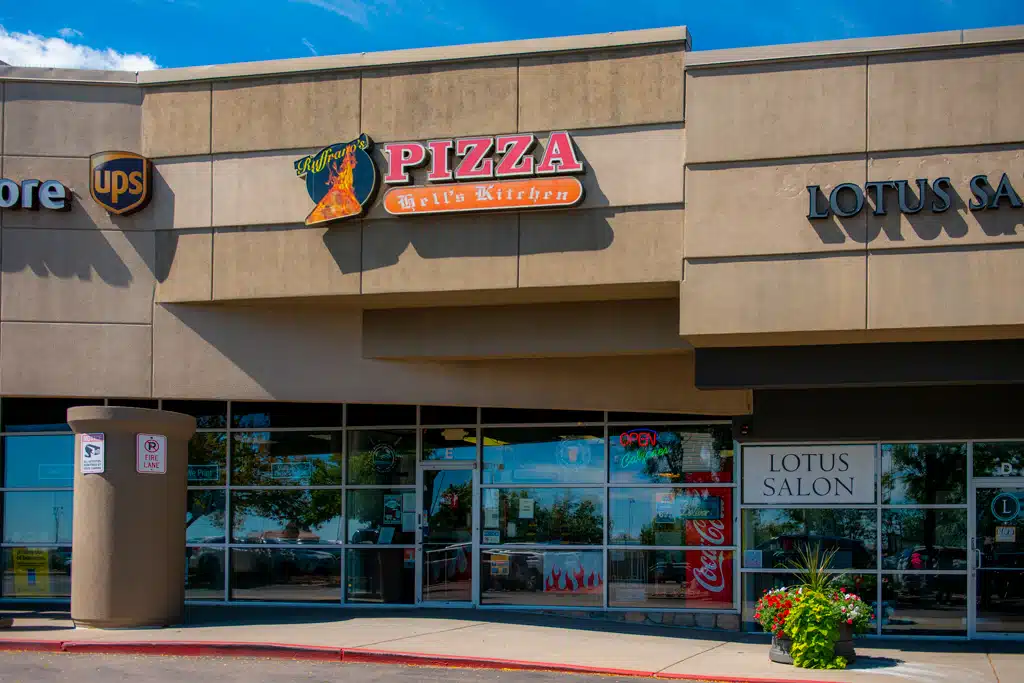
Ruffrano's Hell's Kitchen Pizza Cheyenne
Address: 1670 E Cheyenne Mountain Blvd, Colorado Springs, CO 80906
Phone number: +17195764355
FAQ About Pizza Place Cheyenne
What's the most popular pizza place?
The "most popular" pizza place depends on whether you measure by location count, total sales, or customer favorite status.
What is the 2 pizza rule?
The two-pizza rule is a management principle made popular by Amazon founder Jeff Bezos. It states that a team or meeting should never be larger than what can be fed with two large pizzas—typically translating to a group of 5 to 10 people (or roughly 6 to 12 people depending on appetites).
Is 2 pizzas enough for 10 people?
No, 2 pizzas are usually not enough for 10 people.
Corrections
Spot something wrong? Send it to the desk and it gets fixed in the open.