What Families Love Most About a Pizza Place in Cheyenne
Ask parents where they actually enjoy going out to eat with their kids, and the answers get practical very quickly. It is not enough for the food to be good. The place has to be comfortable without feeling sloppy, quick without feeling rushed, and welcoming to children without driving adults out the door. In a city like Cheyenne, where families often know the difference between a spot that simply serves pizza and a spot that becomes part of weekly life, those details matter even more.
A good family restaurant earns loyalty slowly. It does it one easy Friday night at a time, one post-game dinner at a time, one birthday meal where nobody had to negotiate too hard over what to order. That is especially true for a pizza place in Cheyenne. Families are not just buying dinner. They are buying convenience, breathing room, familiarity, and a setting where everyone from toddlers to grandparents can leave happy.
The most successful pizza spots tend to understand something simple: parents remember how a place made the evening feel. If the kids ate well, the adults got a decent meal, the service moved at the right pace, and nobody felt stressed, that family is likely to come back. The pizza matters, of course. But it is rarely the only reason people return.
It starts with food that satisfies different ages at the same table
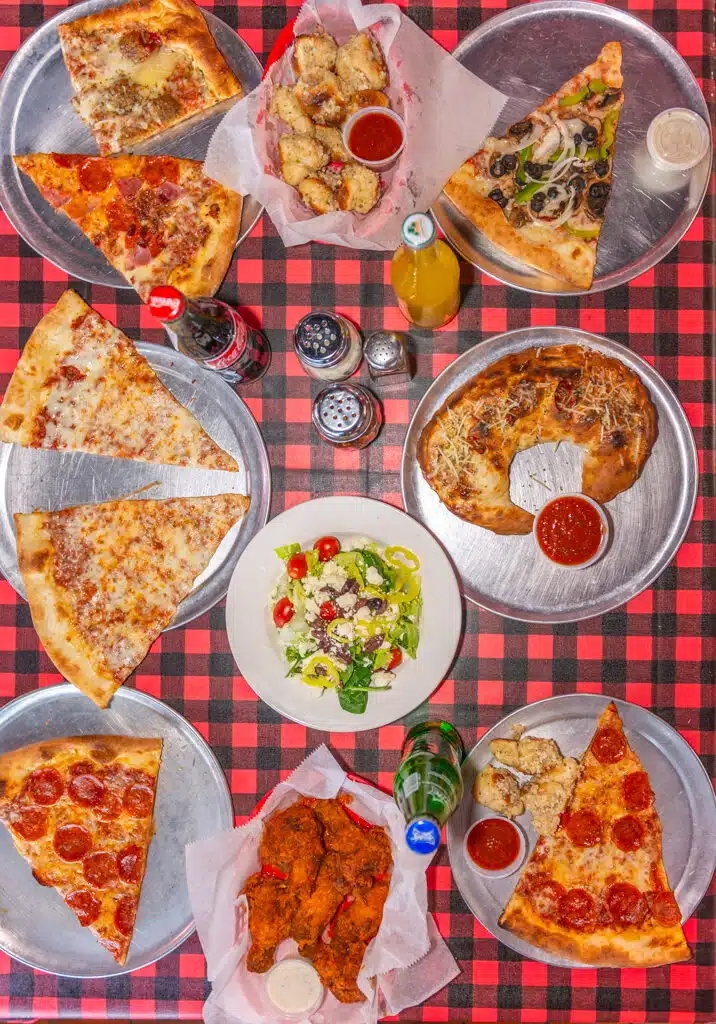
Families love pizza because it solves a common problem, which is that everyone wants something slightly different. One child wants plain cheese, another insists on pepperoni, one adult wants vegetables, another likes a heavier, meat-forward pie, and somebody at the table is always hoping there is a crisp salad to cut through it all. A strong family pizza restaurant handles that range without making the ordering process feel like a project.
That flexibility is one of the biggest reasons a local pizza place in Cheyenne becomes a favorite. Pizza is familiar, but good pizzerias do not stop at familiar. They offer choices without overwhelming people. That usually means a menu with a few dependable crowd-pleasers, enough topping combinations to keep regulars interested, and side items that can turn a quick meal into a full dinner. Breadsticks for the kids, wings for the teenager who wants something heartier, a salad for the adult trying to keep the meal balanced, maybe pasta for the family member who somehow always walks into a pizza restaurant wanting anything but pizza.
Families notice when the menu feels built for real life. They also notice when it does not. If every pie is overly fancy, younger kids may refuse it. If the menu is too bare-bones, adults get bored after a couple of visits. The sweet spot is a lineup that feels broad enough for repeat business and straightforward enough that ordering remains easy, even when the table is full and attention spans are short.
The crust matters more than many operators realize. Kids tend to prefer consistency over novelty, so a crust that is too charred, too floppy, or too tough can create complaints fast. Adults often want more character, maybe a crust with chew, a little crispness, and enough structure to hold toppings. When a pizza shop gets that balance right, families talk about it in plain language. They say things like, “The kids will actually eat it,” or, “It tastes good even when you take leftovers home.” Those are not glamorous compliments, but they are powerful.
Families come back for predictability they can trust
There is real comfort in knowing how an evening is going to go. For parents, that kind of predictability is not boring. It is valuable. If they know the service is usually friendly, the wait is manageable, the booths are roomy enough, and the food comes out the way they expect, they are more likely to make that restaurant part of their routine.
This is one of the quiet strengths of a dependable neighborhood pizza restaurant. Families often have enough unpredictability in their day already. School pickup runs late. One child has practice. Another forgot a permission slip. Someone is in a bad mood. By the time they head out for dinner, they do not want culinary suspense. They want a place that can absorb a little chaos.
At a well-run pizza place in Cheyenne, that stability shows up in dozens of small ways. The host does not act annoyed by strollers or booster seats. The server knows how to pace an order for a table with young children. Refills arrive before anyone has to wave somebody down. Extra napkins appear before they are requested. These are basic hospitality moves, but in family dining, basic done well beats impressive done inconsistently.
I have seen this pattern in restaurants across markets of every size. Families are often less interested in novelty than restaurant owners assume. They are not usually asking for the most inventive special in town. They are asking whether the restaurant can reliably deliver a good night out. That might sound modest, but it is the foundation of long-term business.
A relaxed atmosphere matters more than trendiness
Some of the most family-friendly pizza restaurants are not the flashiest. They are the ones where the room feels easy. You can hear the person across from you. The lighting is bright enough to read the menu. The tables are spaced far enough apart that parents do not spend the whole meal apologizing for a restless child. The place is clean, but not so polished that families feel they have to keep their kids perfectly still.
That atmosphere matters in Cheyenne, where family dining often overlaps with community life. Parents may run into neighbors, coaches, teachers, or relatives. Kids may spot classmates in another booth. A restaurant that handles that social overlap well becomes more than just a business. It becomes part of the local rhythm.
The best family pizza spots usually strike a useful middle ground. They are livelier than a formal sit-down restaurant, which helps cover the normal noise of children, but not so loud that conversation becomes work. That balance may sound minor, yet it shapes how long families stay and how often they return. If parents can finish a meal without feeling overstimulated, they will remember that.
Décor can play a role, too, but usually in a supporting way. A family does not need elaborate theming to feel comfortable. They need seats that work, clean restrooms, enough room for coats and bags, and a general sense that children are expected rather than tolerated. When those basics are in place, the room feels generous. Families pick up on that immediately.
Speed counts, but so does pacing
Parents appreciate quick service, but that does not mean they want to be rushed. There is a difference. Family meals move best when a restaurant reads the table well. If there are very young kids who are visibly hungry, getting drinks and a simple appetizer out fast can rescue the entire experience. If it is a bigger gathering, maybe after a youth sports game or a birthday outing, the better move is often a slightly more measured pace so the table can settle in.
Good pizza restaurants understand this instinctively. Pizza itself takes time, which can work in a restaurant’s favor if the waiting period is handled properly. Families are generally patient when they feel informed and cared for. They get frustrated when they feel forgotten. A quick update from the server, a realistic estimate on when the pies will land, or an appetizer that bridges the gap can change the whole mood.
This is especially important for larger family groups, which pizza naturally attracts. Grandparents might join. Cousins might come along. A team celebration may double the usual party size. In those cases, efficient kitchen timing becomes part of the family experience. Nobody at the table uses those exact words, of course. They just know whether the meal flowed well.
One reason pizza remains such a strong family category is that it scales gracefully. A restaurant can feed two adults and three kids without much strain, but it can also handle twelve people around a pushed-together set of tables if the systems are good. Families love places that make bigger gatherings feel easy.
Value is not just about the bill
When families talk about value, they are not always talking about the cheapest meal. They are talking about whether the experience felt worth what they spent. A pizza dinner can represent strong value because it is shareable, filling, and usually leaves leftovers. That matters to parents who are balancing food quality with household budgets.
The smartest pizza restaurants know that perceived value comes from a few different places. Portion size is part of it. Quality is part of it. So is flexibility. A family feels good about spending a little more if the ingredients seem fresh, the pizza is substantial, and the meal solves dinner for tonight plus lunch tomorrow. Leftover slices have their own kind of economic logic, and parents absolutely factor that in.
Kid-friendliness matters here, too. If a place offers portions that make sense for children, families feel like the menu was designed with them in mind. If every item is oversized or priced only for adults, parents notice that as well. It is not about cutting prices to the bone. It is about making the purchase feel sensible.
In practical terms, many families also appreciate simple bundling. A family meal deal, a large-pie-and-sides combination, or an option that reduces ordering friction can be more attractive than a long list of individually priced add-ons. At the same time, there is a trade-off. If the menu pushes bundles so aggressively that customization becomes difficult, families with mixed preferences may feel boxed in. The best operators manage both, offering convenience without taking away choice.
Staff can turn a decent meal into a family tradition
Hospitality lands differently when children are involved. A server who smiles at kids without talking down to them, checks dietary concerns calmly, and keeps the table moving without pressure is doing more than delivering food. They are lowering stress.
Families remember that. They remember the staff member who brought an extra plate without being asked because siblings were splitting slices. They remember the cashier who handled a takeout order accurately during a chaotic Friday evening. They remember the manager who treated a spilled drink as normal instead of as a disruption. Those moments create trust.
In my experience, restaurants often underestimate how deeply families value emotional ease. A parent may forgive a slightly longer wait more readily than a dismissive tone. They may tolerate a packed dining room if the staff remains warm and composed. But if they feel judged, ignored, or like their children are a burden, they do not come back often.
This is one area where local establishments often outperform chains. Not always, but often. Teams that know their regulars, recognize names, and understand local rhythms can create a sense of belonging that is hard to manufacture. At a neighborhood pizza place in Cheyenne, that local familiarity can be a major reason families stay loyal. The meal becomes tied to people, not just product.
Cheyenne families appreciate places that fit real schedules
Dining habits in smaller cities and regional hubs often follow practical patterns. Families eat out after school events, weekend errands, church gatherings, sports practices, and long workdays. A restaurant that fits those patterns naturally wins repeat business.
For a pizza restaurant, that usually means being useful across several situations. It has to work for dine-in meals when parents want a break from cooking. It has to work for takeout on nights when everyone is moving in different directions. It has to work for casual celebrations when nobody wants the complexity of a formal reservation. Families love places that can serve all three purposes without changing their quality too much from one mode to the next.
Takeout deserves special attention here. A surprising number of restaurants are pleasant for dine-in but unreliable once the food goes into a box. Pizza tends to travel better than many categories, but only if the kitchen respects the process. Crispness, temperature, accurate packaging, and clear labeling all matter. Families with multiple kids often order fast and eat even faster once they get home. If the order is wrong, the damage to goodwill is immediate.
That is why consistency across dine-in, pickup, and delivery can set a pizza place apart. A family does not think of this as operations. They think of it as whether the place “makes life easier.” That is a high compliment.
The best spots know kids are part of the audience, not an afterthought
There is a difference between tolerating children and planning for them. Families can feel it right away.
A thoughtfully run pizza restaurant makes room for the realities of dining with kids. The menu has options that are not overcomplicated. The staff does not look surprised when someone asks for a plate to be cooled down or cut a certain way. The beverage selection includes practical choices, not just sugary defaults. Even small details, like having enough napkins on hand or space for a high chair that does not block the aisle, can shape the whole experience.
Parents also appreciate when a restaurant avoids the common trap of making the kids’ experience loud and gimmicky at the expense of everyone else. Families are not always looking for entertainment. Many are looking for calm. A place that gets this right creates an environment where children can be children, adults can enjoy their meal, and neither group feels like they are compromising too much.
Teenagers are part of this equation as well. They are old enough to care about food quality and atmosphere, but still often eating within a family decision. A pizza restaurant that offers enough menu range and enough social energy to appeal to teens often gains a strong edge. Parents like restaurants that satisfy older kids because it reduces the friction around going out in the first place.
Celebrations feel natural at a pizza restaurant
Some restaurants are reserved for major occasions. Pizza places tend to absorb the smaller celebrations that make up actual family life. A good report card. A birthday that falls on a Tuesday. A game win. Relatives visiting from out of town. The first night after moving into a new house when nobody can find the pots yet.
That makes pizza emotionally significant in a way operators sometimes overlook. It is not always formal enough to be “an occasion” in the traditional sense, but it is often exactly what families choose when they want to mark something good without making a production of it.
Cheyenne families, like families anywhere, tend to value places that can hold those moments comfortably. Maybe the staff brings out dessert with a candle. Maybe they simply accommodate a larger table with good grace. Often, that is enough. The restaurant becomes attached to memory because it fit the moment correctly.
This is also where convenience and warmth intersect. Families do not always want an event space. They want a place where celebrating feels easy, where everybody can eat, and where the bill does not make the evening feel extravagant. Pizza has always worked well in that lane.
Familiar food leaves room for connection
One underrated reason families love a pizza place is that the meal itself does not demand too much attention. That is not criticism. It is part of the appeal. Pizza is shareable, intuitive, and easy to eat. Once it reaches the table, people can focus on each other.
That is a real advantage over more intricate dining formats. Nobody is decoding a complicated menu while a child gets restless. Nobody is waiting through multiple formal courses. Nobody feels awkward about ordering something pizza place cheyenne ruffranoshellskitchenpizza.com safe. The food arrives, hands reach in, conversation starts, and the meal does what family dining is supposed to do, which is create a little time together.
At its best, a pizza place in Cheyenne becomes one of those dependable settings where ordinary family life unfolds. Parents decompress. Kids talk more than they might at home. Grandparents join in. Plans for the weekend get made over half-finished slices and a basket of breadsticks. A place that supports those interactions is doing more than feeding people.
That is what families love most, even if they would not always phrase it that way. Yes, they appreciate the melted cheese, the crust, the easy leftovers, and the menu that keeps everyone happy. But underneath all of that is something simpler. They love a restaurant that understands what a family meal is really for. It is not just dinner. It is relief, routine, celebration, and connection in one of the most practical forms possible.
When a local pizza pizza place cheyenne restaurant gets those things right, it becomes far more than a stop for food. It becomes part of family life, and that is a hard status to earn. It is also the reason the best ones stay busy year after year.
Ruffrano's Hell's Kitchen Pizza Cheyenne
Address: 1670 E Cheyenne Mountain Blvd, Colorado Springs, CO 80906
Phone number: +17195764355
FAQ About Pizza Place Cheyenne
What's the most popular pizza place?
The "most popular" pizza place depends on whether you measure by location count, total sales, or customer favorite status.
What is the 2 pizza rule?
The two-pizza rule is a management principle made popular by Amazon founder Jeff Bezos. It states that a team or meeting should never be larger than what can be fed with two large pizzas—typically translating to a group of 5 to 10 people (or roughly 6 to 12 people depending on appetites).
Is 2 pizzas enough for 10 people?
No, 2 pizzas are usually not enough for 10 people.
Corrections
Spot something wrong? Send it to the desk and it gets fixed in the open.